
A Yard That Feeds Itself
Low-waste lawn and yard care: grasscycling, mulching mowers, composting clippings and watering only what the yard needs.
A lawn produces a steady stream of free fertilizer, mulch and compost material. Most of it gets bagged and hauled away. Snip Green is about keeping it on your own ground: leaving clippings where they fall, mowing smarter, composting the extra and watering only what the yard actually needs.
Four habits, less hauling
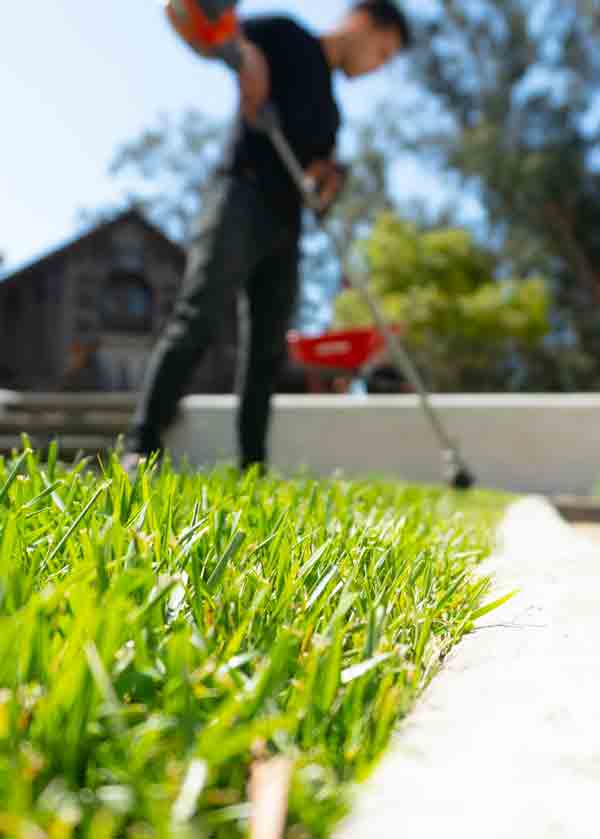
Grasscycle
Leave clippings on the lawn. They break down in days and return nutrients to the soil.
Mulch-mow
A mulching blade chops clippings fine enough to vanish into the turf.
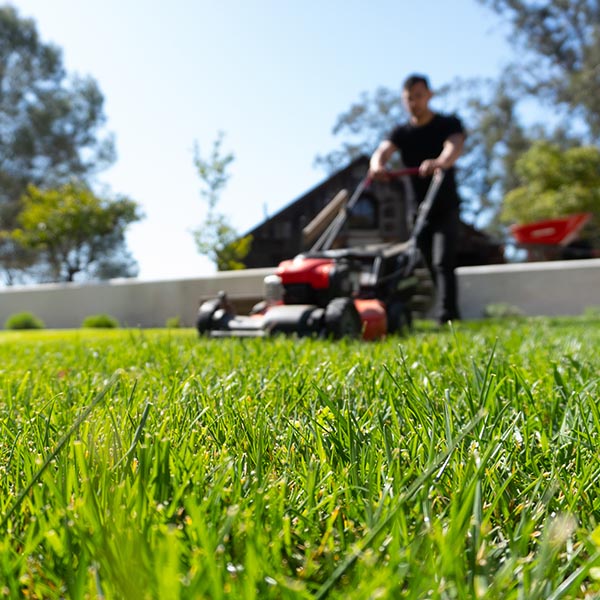
Compost the surplus
Extra clippings and leaves become rich compost for beds and borders.
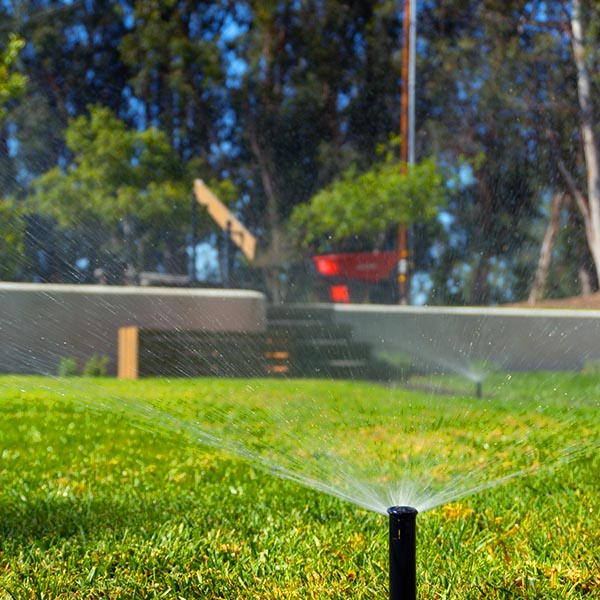
Water less, deeper
Infrequent, thorough watering grows deeper roots that cope with dry spells.
Worried about buildup? Read whether grasscycling causes thatch. Short answer: not usually.
Why bother
Bagging clippings means more trips to the curb, more plastic and more fertilizer to replace what you threw away. A yard run as a closed loop takes less work once the habits settle in. It also tends to look better through a dry summer, because the soil holds more moisture.
- Fewer bags and fewer trips to the green bin
- Less bought fertilizer and mulch
- Healthier soil life under the grass
- A yard that handles heat with less water
Common questions
- Does leaving grass clippings cause thatch?
- Is a mulching mower better than bagging?
- How much should I water my lawn?
Start here
How to compost grass clippings without the slimy mess. The ratio and turning routine that keep a clippings pile sweet.
Low-waste lawn care: keep clippings, save water, skip the bags